Showing posts with label Bees. Show all posts
Monday, August 30, 2021
BEE Fest 29th August 2021
Thank you to everyone who came to the garden today ... some 306 of you ... and the generous donations which amounted to £290. All of which gets ploughed back into rhe garden (pun intentional)
Sunday, August 1, 2021
Bee Fest and Open Day at Captain's Garden 29th August 2021
We have Dover Beekeepers with us on our Open Day at the Captain's Garden on Sunday 29th August
You Can book a place here or turn up on the day
Wednesday, September 26, 2018
Dover Bee keeping course feb 2019
What to get started in bee keeping well Dover Beekeepers have a introduction course starting in Feb 2019.
Beginners’ Beekeeping Course 2019
1 Pond End Cottages, London Road, Temple Ewell, Dover CT16 3DQ
This is a course of six two hour theory sessions starting February 11th 2019 at 7.00pm.
It is for people who have just started beekeeping or who want to find out more before getting their own bees. Topics covered will include equipment, siting your apiary, the life of a colony, the beekeeper’s year and pest and disease control and prevention.
Students will be encouraged to join their own beekeeping branch/association.
Tutor: Rob Philpott robphilpott@sky.com
01304 820371 / 07545127604
1 Pond End Cottages, London Road, Temple Ewell, Dover CT16 3DQ
This is a course of six two hour theory sessions starting February 11th 2019 at 7.00pm.
It is for people who have just started beekeeping or who want to find out more before getting their own bees. Topics covered will include equipment, siting your apiary, the life of a colony, the beekeeper’s year and pest and disease control and prevention.
Students will be encouraged to join their own beekeeping branch/association.
Tutor: Rob Philpott robphilpott@sky.com
01304 820371 / 07545127604
Fee £50
Timetable
Subject Topics
Feb 11th Equipment Parts of a hive
Bee space
Tools and clothing
Natural history Queens, workers and drones
Individual life cycles
Basic anatomy
Function of queen, drones and workers
Age related duties of workers
Feb 18th Beekeeping year March, April, May
Golden rules of colony inspection
Swarms Reasons for swarms
Swarm prevention
Swarm control
Swarm collection
Bee dances
Feb 25th Extraction of honey Types of extractor
Clearing supers
Making frames
Mar 4th Diseases Hygiene
Brood diseases and their control
Varroosis
Adult diseases
Statutory requirements
Pests
Good apiary practice
Mar 11th Beekeeping year June to February
Summer extraction
Feeding for winter
Dealing with varroa and pests
Mar 18th Obtaining bees Use of smoker
Opening a hive
Use of hive tool
Setting up the apiary Handling frames
Monitoring the conditions
Identifying eggs, larvae, sealed brood
Recognising healthy brood
Uniting colonies Closing a hive
Making a nucleus
Function of queen, drones and workers
Age related duties of workers
Feb 18th Beekeeping year March, April, May
Golden rules of colony inspection
Swarms Reasons for swarms
Swarm prevention
Swarm control
Swarm collection
Bee dances
Feb 25th Extraction of honey Types of extractor
Clearing supers
Making frames
Mar 4th Diseases Hygiene
Brood diseases and their control
Varroosis
Adult diseases
Statutory requirements
Pests
Good apiary practice
Mar 11th Beekeeping year June to February
Summer extraction
Feeding for winter
Dealing with varroa and pests
Mar 18th Obtaining bees Use of smoker
Opening a hive
Use of hive tool
Setting up the apiary Handling frames
Monitoring the conditions
Identifying eggs, larvae, sealed brood
Recognising healthy brood
Uniting colonies Closing a hive
Making a nucleus
Monday, August 13, 2018
Thursday, April 19, 2018
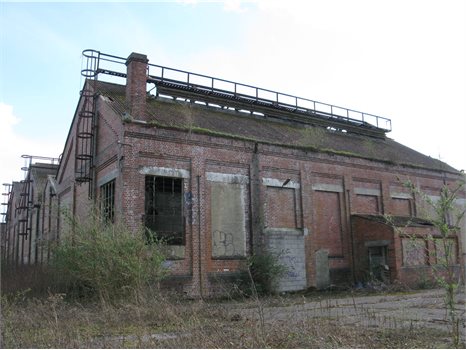
The bees are taking over the colliery - Snowdown
Former East Kent colliery vision: small business park and rural visitor attraction
Environmentally-friendly beekeeping company to bring new life and innovative small business opportunities to former colliery site
Wide range of new jobs to be created for local community to boost regional economy
Ambitious project to combine research, development, nature and industrial heritage in unique environment
Unique rural visitor destination for glamping, events and staycations
An exciting new project could transform a former East Kent colliery into an environmentally-friendly hub for start-up businesses, artisan producers, research, development and innovation, while at the same time creating an authentic and unique rural visitor attraction, the like of which you won’t find anywhere else in the UK.
Snowdown Colliery closed as a working coal mine in 1987. Since then, the 100-acre site has cut a forlorn figure in the rural landscape between Dover and Canterbury.
Now, 31 years later, plans are afoot to breathe new life into the colliery site, to see it reborn as Snowdown Park. A wide range of jobs, skills-based training, education and research opportunities will be created, alongside a new country park visitor destination for glamping, events and staycations, all giving a huge boost to the local economy and the environment.
Unlocking Snowdown’s potential while creating a genuine buzz at the heart of this ambitious transformation of a long-neglected corner of East Kent’s industrial heritage will be those much-loved friends of the earth…honey bees.
Local businessman and entrepreneur, Patrick K Murfet, Director of Bee Equipment Ltd, is spearheading the dynamic and environmentally-focused Snowdown Park project.
Currently based in the nearby village of Bridge, near Canterbury, Kent, Bee Equipment Ltd manufacture and supply beekeeping equipment for commercial operations and individual apiarists across the UK, mainland Europe and beyond.
A unique combination of nature, heritage and business innovation are the driving forces behind the plans for Snowdown Park.
The Bee Yard is the working title given to the top portion of the Snowdown site, close to the former colliery buildings. The Bee Yard will encompass the business park element of the proposal, the name giving a flavour of the style of the development and its artisan feel. The remainder of the site will form the new country park and visitor attraction: Snowdown Park.
The Bee Yard development at Snowdown Park will bring a much-needed hub for creative and artisan businesses, as well as providing an international centre for research and development into the health and welfare of the honey bee to the region.
The heritage of the former colliery will be seamlessly woven into the new scheme; Snowdown Colliery has a number of buildings of interest, which it is hoped can be brought back to life, preserving the iconic character of the site in a revitalised natural setting that is economically viable.
The natural landscape and topography of the former colliery will be integral to the sympathetic development of Snowdown Park. Once open, lovers of wildlife will be able to learn about bees and beekeeping, while enjoying the huge diversity of flora and fauna on the site, which will be key elements of its appeal for visitors.
Snowdown Park will become a magnet for nature-lovers and creatives, with opportunities for glamping, staycations and all kinds of events, once East Kent’s most exciting and original working-park development is up and running.
Patrick K Murfet said: “We are really excited about the opportunities for job creation and recreation that our unique development of Snowdown Park at the former Snowdown Colliery site offers.
"We have been working with the Coal Authority, the Plumptre Trust and Dover District Council on these exciting plans at the old Snowdown Colliery site for three years, and as everything starts to come to fruition we couldn’t be happier. All parties are supportive of the scope of the development, knowing that the site will be imaginatively and sympathetically reworked for a new generation.
"We aim to contain the redevelopment of the site to about 30 per cent of the total acreage, retaining and working with the site’s original landscape where possible.
"After all this time, we are looking forward to the start of a new and positive chapter for the Snowdown Colliery site.”
Cllr Keith Morris, Leader of Dover District Council, said: “This is a visionary project to bring the former Snowdown Colliery site back into economic and recreational use, playing its part in the exciting regeneration and investment programme driving new jobs and opportunities in the Dover district.
"The team at the Bee Yard at Snowdown Park are creating a real buzz around beekeeping, at a time when we’re starting to realise just how important bees are to world food supply.
"Snowdown Park, together with Discovery Park and the Betteshanger Sustainable Parks form a world-class cluster of environmental and life-science businesses.
"At the same time, Snowdown Park will be open to the public, providing an excellent outdoor facility for local people and visitors alike to enjoy.”
Note to Editors:
For further information about The Bee Yard at Snowdown Park, please contact 01227 832227 or emailinfo@snowdownpark.co.uk
Wide range of new jobs to be created for local community to boost regional economy
Ambitious project to combine research, development, nature and industrial heritage in unique environment
Unique rural visitor destination for glamping, events and staycations
An exciting new project could transform a former East Kent colliery into an environmentally-friendly hub for start-up businesses, artisan producers, research, development and innovation, while at the same time creating an authentic and unique rural visitor attraction, the like of which you won’t find anywhere else in the UK.
Snowdown Colliery closed as a working coal mine in 1987. Since then, the 100-acre site has cut a forlorn figure in the rural landscape between Dover and Canterbury.
Now, 31 years later, plans are afoot to breathe new life into the colliery site, to see it reborn as Snowdown Park. A wide range of jobs, skills-based training, education and research opportunities will be created, alongside a new country park visitor destination for glamping, events and staycations, all giving a huge boost to the local economy and the environment.
Unlocking Snowdown’s potential while creating a genuine buzz at the heart of this ambitious transformation of a long-neglected corner of East Kent’s industrial heritage will be those much-loved friends of the earth…honey bees.
Local businessman and entrepreneur, Patrick K Murfet, Director of Bee Equipment Ltd, is spearheading the dynamic and environmentally-focused Snowdown Park project.
Currently based in the nearby village of Bridge, near Canterbury, Kent, Bee Equipment Ltd manufacture and supply beekeeping equipment for commercial operations and individual apiarists across the UK, mainland Europe and beyond.
A unique combination of nature, heritage and business innovation are the driving forces behind the plans for Snowdown Park.
The Bee Yard is the working title given to the top portion of the Snowdown site, close to the former colliery buildings. The Bee Yard will encompass the business park element of the proposal, the name giving a flavour of the style of the development and its artisan feel. The remainder of the site will form the new country park and visitor attraction: Snowdown Park.
The Bee Yard development at Snowdown Park will bring a much-needed hub for creative and artisan businesses, as well as providing an international centre for research and development into the health and welfare of the honey bee to the region.
The heritage of the former colliery will be seamlessly woven into the new scheme; Snowdown Colliery has a number of buildings of interest, which it is hoped can be brought back to life, preserving the iconic character of the site in a revitalised natural setting that is economically viable.
The natural landscape and topography of the former colliery will be integral to the sympathetic development of Snowdown Park. Once open, lovers of wildlife will be able to learn about bees and beekeeping, while enjoying the huge diversity of flora and fauna on the site, which will be key elements of its appeal for visitors.
Snowdown Park will become a magnet for nature-lovers and creatives, with opportunities for glamping, staycations and all kinds of events, once East Kent’s most exciting and original working-park development is up and running.
Patrick K Murfet said: “We are really excited about the opportunities for job creation and recreation that our unique development of Snowdown Park at the former Snowdown Colliery site offers.
"We have been working with the Coal Authority, the Plumptre Trust and Dover District Council on these exciting plans at the old Snowdown Colliery site for three years, and as everything starts to come to fruition we couldn’t be happier. All parties are supportive of the scope of the development, knowing that the site will be imaginatively and sympathetically reworked for a new generation.
"We aim to contain the redevelopment of the site to about 30 per cent of the total acreage, retaining and working with the site’s original landscape where possible.
"After all this time, we are looking forward to the start of a new and positive chapter for the Snowdown Colliery site.”
Cllr Keith Morris, Leader of Dover District Council, said: “This is a visionary project to bring the former Snowdown Colliery site back into economic and recreational use, playing its part in the exciting regeneration and investment programme driving new jobs and opportunities in the Dover district.
"The team at the Bee Yard at Snowdown Park are creating a real buzz around beekeeping, at a time when we’re starting to realise just how important bees are to world food supply.
"Snowdown Park, together with Discovery Park and the Betteshanger Sustainable Parks form a world-class cluster of environmental and life-science businesses.
"At the same time, Snowdown Park will be open to the public, providing an excellent outdoor facility for local people and visitors alike to enjoy.”
Note to Editors:
For further information about The Bee Yard at Snowdown Park, please contact 01227 832227 or emailinfo@snowdownpark.co.uk
Saturday, September 2, 2017
Bee Fest in Deal
We had a very successful Seedy Saturday today at our Bee Fest in the Landmark Garden. We think we had about 250 visitors today.
Thank you to Dover Keepers, Landmark Uke Club for playing us, everyone who donated plants and food and all our Deal With It Volunteers
All our photos can be found at here
Saturday, May 3, 2014
Pines Calyx Film - Weds 7th May: The Vanishing of the Bees
The next Pines Calyx filmshow is this Weds 7th May at 7:30pm
Showing: The Vanishing of the Bees followed by a talk on by Dover Beekeepers
A documentary film that examines the importance of honeybees to human food production and the impact of their worldwide decline.
This is a free event. Licensed bar open from 7pm. The Pines welcomes donations towards the license fee.
Email volunteer1@baytrust.org.uk
Thursday, July 4, 2013
Victoria's Green Matters - 4th July 2013
Deal With IT's Secretary Victoria Nicholls writes a regular column in the East Kent Mercury
At long last our ‘greenest government ever’ has instigated an urgent review into the crisis facing bees and other pollinators in the face of continuing decline in insect populations.More than a third of all honeybee colonies in England died over the winter, the worst losses that have occurred since the survey into winter survival rates began in 2007-08.
While the European Union suspended the use of three of the pesticides thought to be affecting bees, it is true to say that the wet and cold weather is enough to cause serious decline in bee colonies. The very wet summer, which caused bees to be confined to their hives and unable to go out and forage for food, in turn made the bees more susceptible to viruses and also left them with poor food stocks for the long, cold winter.
Bees and other pollinators fertilise three quarters of the world’s food crops but loss of habitat, poor weather and the use of pesticides have seen a severe decline in pollinator numbers over recent years.
Defra has at last realised that pollinators play a vital role in the security of our food supplies and the quality of our natural environment and so has launched its review which will form the basis of a national pollinator strategy to bring together new initiatives and those already in place.
It is excellent that there are twelve new national nature improvement areas with better connected habitats and funding for nectar rich flower mixes to be sown on farmland.
Victoria Nicholls. Transition Deal.
Monday, March 4, 2013
Tuesday, August 14, 2012
Walmer was buzzing ...
![]() |
| Elvin & Dave from Major Bee Hives |
They were doing a roaring trade with local honey and the live bees just fascinated folk.
Several people have asked us for more information on where they can get local honey on a regular basis and how to get started on Bee keeping.
Peppers have local Honey and HoneyComb from Deal/Kingsdown from Elvin.
The local Dover BeeKeepers Association runs courses for beginners see their website for details http://www.ddbka.com/
Equipment can be sourced (as well as honey) from Major Bee Hives who are based in Sandwich
Address: Unit 5, Building 5, Sandwich Industrial Estate, CT13 9LY
Email: mail@majorbeehives.co.uk
Website: www.majorbeehives.co.uk
Mobile: 07742 113169
The Deal With It stall was quite busy... but we were not buzzing :)
Thank you to Harold Wild at the Walmer Web for use of his photos http://www.walmerweb.co.uk/
Thursday, April 12, 2012
Victoria's Green Matters- 12th April 2012
Deal With IT's Secretary Victoria Nicholls writes a regular column in the East Kent Mercury:
Our declining bee population is in the news again. A recent study, the first to have been carried out in realistic, open air conditions, has shown that there is definitely a link between this decline and crop pesticides.
Bee populations around the world have been declining for many years and there has always been an association with pesticide use, the varroa mite and other parasites and the loss of flower rich habitats. Pesticide manufacturers and the UK government have always refused to believe that pesticides have been the cause of bee decline but Germany, France and Italy have suspended use until confirmation one way or another.
Systemic pesticides such as the neonicotinoid group have now been shown to disorientate the bees, making it impossible for them to find their way back to their colony with food. Another effect was that far fewer queen bees were produced and reared. It is estimated that honeybee numbers have fallen by 50% in the US and UK over the last 25 years. As bees pollinate about a third of the food we eat, this can seriously affect the food crops needed to feed an ever growing world population. Scientists have known for a long time that pesticides have an adverse effect on the environment and are implicated in many human diseases but the powerful agrochemical industry holds too much influence and can dismiss the results of research out of hand. Our government goes along regardless – for how much longer?
Our declining bee population is in the news again. A recent study, the first to have been carried out in realistic, open air conditions, has shown that there is definitely a link between this decline and crop pesticides.
Bee populations around the world have been declining for many years and there has always been an association with pesticide use, the varroa mite and other parasites and the loss of flower rich habitats. Pesticide manufacturers and the UK government have always refused to believe that pesticides have been the cause of bee decline but Germany, France and Italy have suspended use until confirmation one way or another.
Systemic pesticides such as the neonicotinoid group have now been shown to disorientate the bees, making it impossible for them to find their way back to their colony with food. Another effect was that far fewer queen bees were produced and reared. It is estimated that honeybee numbers have fallen by 50% in the US and UK over the last 25 years. As bees pollinate about a third of the food we eat, this can seriously affect the food crops needed to feed an ever growing world population. Scientists have known for a long time that pesticides have an adverse effect on the environment and are implicated in many human diseases but the powerful agrochemical industry holds too much influence and can dismiss the results of research out of hand. Our government goes along regardless – for how much longer?
Wednesday, April 11, 2012
FOE: if we lose our Bees its going cost us a packet!
http://www.foe.co.uk/resource/press_releases/uk_without_bees_11042012.html
It would cost the UK £1.8 billion every year to hand-pollinate crops without bees - 20% more than previously thought - according to new research launched today by Friends of the Earth as it unveils a new campaign to save the bee.
The new figure - equivalent to the annual wages of 60,000 teachers - comes from research conducted by leading bee experts at the University of Reading on behalf of the environment charity as it launches The Bee Cause to call for action on bees before it's too late.
Friends of the Earth is also creating a temporary 150 square metre wildflower meadow in the shadow of the National Theatre, London, to highlight the need for more bee-friendly habitats - with the flowers used to create the spectacle given away to passers-by to encourage gardening that will help bees to thrive.
In recent years Britain has lost over half the honey bees kept in managed hives and wild honey bees are nearly extinct. Solitary bees are declining in more than half the areas they've been studied and some species of bumblebee have been lost altogether.
Costly hand-pollination is already being used in parts of the world, notably pear trees in Hanyuan County, China, where native bee populations have been wiped out by a combination of loss of their natural habitat and intensive farming.
Friends of the Earth is urging David Cameron to save these important pollinators and save the nation billions by committing to a British bee action plan. The plan outlines action on the planning of our towns, the way we farm and use pesticides and funding for nature experts in the Government to ensure vital bee populations are restored.
The charity is also providing information and resources on how people can help bees in their gardens and communities, including giving away 20,000 packets of wildflower seeds.
To support the call to David Cameron and find out what else you can do to help bees, visit http://www.foe.co.uk/bees .
Paul de Zylva, Nature Campaigner at Friends of the Earth said:
"Unless we halt the decline in British bees our farmers will have to rely on hand-pollination, sending food prices rocketing.
"Bees are responsible for most of our favourite fruit and vegetables so as well as the huge blow to our economy, our diet would also suffer.
"David Cameron must make the changes needed now to give our bees a fighting chance and save Britain billions."

It would cost the UK £1.8 billion every year to hand-pollinate crops without bees - 20% more than previously thought - according to new research launched today by Friends of the Earth as it unveils a new campaign to save the bee.
The new figure - equivalent to the annual wages of 60,000 teachers - comes from research conducted by leading bee experts at the University of Reading on behalf of the environment charity as it launches The Bee Cause to call for action on bees before it's too late.
Friends of the Earth is also creating a temporary 150 square metre wildflower meadow in the shadow of the National Theatre, London, to highlight the need for more bee-friendly habitats - with the flowers used to create the spectacle given away to passers-by to encourage gardening that will help bees to thrive.
In recent years Britain has lost over half the honey bees kept in managed hives and wild honey bees are nearly extinct. Solitary bees are declining in more than half the areas they've been studied and some species of bumblebee have been lost altogether.
Costly hand-pollination is already being used in parts of the world, notably pear trees in Hanyuan County, China, where native bee populations have been wiped out by a combination of loss of their natural habitat and intensive farming.
Friends of the Earth is urging David Cameron to save these important pollinators and save the nation billions by committing to a British bee action plan. The plan outlines action on the planning of our towns, the way we farm and use pesticides and funding for nature experts in the Government to ensure vital bee populations are restored.
The charity is also providing information and resources on how people can help bees in their gardens and communities, including giving away 20,000 packets of wildflower seeds.
To support the call to David Cameron and find out what else you can do to help bees, visit http://www.foe.co.uk/bees .
Paul de Zylva, Nature Campaigner at Friends of the Earth said:
"Unless we halt the decline in British bees our farmers will have to rely on hand-pollination, sending food prices rocketing.
"Bees are responsible for most of our favourite fruit and vegetables so as well as the huge blow to our economy, our diet would also suffer.
"David Cameron must make the changes needed now to give our bees a fighting chance and save Britain billions."
Monday, May 16, 2011
Coop member and fancy learning about beekeeping, then read on.....
If you're a member of The Co-operative, based in the South East and want to attend one of The Co-operative’s exclusive introductory beekeeper training sessions - read on!
Bee numbers in the UK have halved over the last 20 years and as a third of the food we eat is dependent on pollination, it is essential we have to save them.
The Co-operative’s Plan Bee campaign is a 10-point plan to tackle the loss of honeybees in the UK. No one knows for certain what is causing the decline in the bee population, which is why we have funded research into honeybee healthy and prohibited certain pesticides from our own brand fruit and vegetables.
We have advised our members on how to become bee friendly gardeners and now we think it’s time to take the campaign a step further and offer you an opportunity to attend one of our FREE introductory bee keeping training events that will be taking place in May.
Details of events in the South East are below:
- Surrey & Berks | Friday 20 May, 10am – 4pm | Brooklands Hotel. Brooklands Drive, Weybridge, Surrey, KT13 0SL
- Kent | Friday 27 May, 10am – 4pm | Singleton Environment Centre, Wesley School Road, Singleton, Ashford, Kent, TN23 5LW
If you know of anyone who may be interested, please pass on this information.
For more information or to book your place/s please call 0800 015 1147. Places will be allocated on a first-come, first-served basis so please book fast.
Tuesday, May 10, 2011
free seeds for busy bees from the co-op
The Cooperative's Plan-Bee to protect our Bees is in full swing this year and giving away free seeds for bee friendly flowers - full details here
Many wildflowers are nectar rich, providing a good source of nutrition for pollinators, however since the 1930s; the UK has lost 97% of its wildflower meadows.
To increase the number of wildflowers being grown in the UK, we have given away over 600,000 packets of wildflower seeds to our customers and members since 2009.
This year we are giving away a further 300,000 packets of seeds. On 17 April we gave away free packets of wildflower seeds with the Mirror in The Co-operative Food stores. If you missed this promotion you can request a packet below from 9 May.
Many wildflowers are nectar rich, providing a good source of nutrition for pollinators, however since the 1930s; the UK has lost 97% of its wildflower meadows.
To increase the number of wildflowers being grown in the UK, we have given away over 600,000 packets of wildflower seeds to our customers and members since 2009.
This year we are giving away a further 300,000 packets of seeds. On 17 April we gave away free packets of wildflower seeds with the Mirror in The Co-operative Food stores. If you missed this promotion you can request a packet below from 9 May.
Wednesday, July 28, 2010
Deal With It Bees Meeting 25th July
The monthly Deal With It meeting was a crowded and warm hive with an excellent turnout of nearly 50 to hear Maggie Harrowell from Dover Beekeepers (Unfortunately we did not have 50 chairs - apologies to those of you who had to stand).
Maggie gave us very clear overview of how beekeeping works, why bees are so important to our food supply & ecology and how they are threatened by pesticides, mono-agriculture, mites and viruses. We were treated to her Ivy, Summer flower and Rapeseed Oil honeys which was all produced by her Ashley bees but at different times of the year - all delicious.
If the number of questions and the swarm of people around the the stands at the end are of any indication the meeting was a great sucess. Half way through the meeting there was a strange noise - then I worked it out it was the live Bees.
Many thanks to Maggie & Steve Harrowell for putting on a great talk. Thanks also to the Coop (as part of their Plan-Bee campaign) for the free seeds & DVDs.
If you want to find out more about about bee keeping - the best place to start is Dover & District BeeKeepers who can be contacted via Maggie at 01304 821208 or email the.harrowells@btinternet.com
Dover BeeKeepers have a open meeting is on 31st July at 2:30 pm at the Coldred out apiary, which is on the road to Shepherdswell CT15 5AR. Bring wellies and gloves, they have a few spare veils
Maggie gave us very clear overview of how beekeeping works, why bees are so important to our food supply & ecology and how they are threatened by pesticides, mono-agriculture, mites and viruses. We were treated to her Ivy, Summer flower and Rapeseed Oil honeys which was all produced by her Ashley bees but at different times of the year - all delicious.
If the number of questions and the swarm of people around the the stands at the end are of any indication the meeting was a great sucess. Half way through the meeting there was a strange noise - then I worked it out it was the live Bees.
Many thanks to Maggie & Steve Harrowell for putting on a great talk. Thanks also to the Coop (as part of their Plan-Bee campaign) for the free seeds & DVDs.
If you want to find out more about about bee keeping - the best place to start is Dover & District BeeKeepers who can be contacted via Maggie at 01304 821208 or email the.harrowells@btinternet.com
Dover BeeKeepers have a open meeting is on 31st July at 2:30 pm at the Coldred out apiary, which is on the road to Shepherdswell CT15 5AR. Bring wellies and gloves, they have a few spare veils
Monday, July 19, 2010
How the law might save declining bee population
From Kent News: University of Greenwich at Medway law lecturer Dr Opi Outhwaite, who has an interest in agricultural health, environment and bio-security legislation and regulation, is conducting research into the decline.
Her findings will be presented to the National Bee Unit, part of Government's Food and Environment Research Agency, in September.
"Bee colonies across the world have been declining as a result of a combination of problems including pests and diseases such as varroa, a parasitic mite which is now endemic in the UK, foul brood and small hive beetle," she said.
"Bees are regularly imported, exported and moved around the world.
"Part of my research will include reviewing the laws and procedures governing the import of bees into the UK, through the European Union and beyond, as well as the movement across England and Wales. Click here for full story
Her findings will be presented to the National Bee Unit, part of Government's Food and Environment Research Agency, in September.
"Bee colonies across the world have been declining as a result of a combination of problems including pests and diseases such as varroa, a parasitic mite which is now endemic in the UK, foul brood and small hive beetle," she said.
"Bees are regularly imported, exported and moved around the world.
"Part of my research will include reviewing the laws and procedures governing the import of bees into the UK, through the European Union and beyond, as well as the movement across England and Wales. Click here for full story
Monday, July 12, 2010
'Deal With It' is buzzing...
| Hives at Ashley |
Maggie will be bringing some of her bees to illustrate her talk, there will be honey to taste to show the link between different crops and honey and a number of wax based products to try & buy.
Maggie's Bee hives are based in a community orchard in Ashley of rare apple trees established by the local parish council. A wonderful local example of the interdependence of nature, community and individuals producing sustainable food.
On a very hot Sunday morning Maggie showed 'Deal With It' some of the beekeepers work in regularly checking her hives. This involves dismantling the hive down to the 'brood box' where the Queen lives and where the frames for honey, pollen and eggs are. Checking that the Queen is still there (she usually has painted mark to identify her) and that the other bees are virus and mite free.
Dover & District Beekeepers can contacted via Maggie on 01304 821208 or email the.harrowells@btinternet.com . if you are interested in finding out more on beekeeping.
Maggie has a site for her beeswax products & honey at http://www.beegarden.co.uk/Beegarden/Beegarden_-_Natural_Beeswax_Skincare_Products.htm
Saturday, June 26, 2010
What happening to Bees ?
DWI Meeting: 'Bees and the Environment'
Bee populations are in severe decline allover the world, but beekeepers and scientists are unsure what is causing these losses. This matters because bees pollinate a third of the food we eat, so without them there would be no apples, onions or even tea!
We are fortunate to have Maggie Harrowell from Dover BeeKeepers to talk to us
Maggie has years of experience as a beekeeper and will be bringing some of her Bees, honey to taste and bee related products to try & buy.
The DWI Meeting is at Dealability, 43 Victoria Rd Deal CT14 7AY at 7:30 - Tuesday 27th July.
All welcome
Bee populations are in severe decline allover the world, but beekeepers and scientists are unsure what is causing these losses. This matters because bees pollinate a third of the food we eat, so without them there would be no apples, onions or even tea!
We are fortunate to have Maggie Harrowell from Dover BeeKeepers to talk to us
Maggie has years of experience as a beekeeper and will be bringing some of her Bees, honey to taste and bee related products to try & buy.
The DWI Meeting is at Dealability, 43 Victoria Rd Deal CT14 7AY at 7:30 - Tuesday 27th July.
All welcome
Monday, June 7, 2010
Plan BEE - Discounted Bee Boxes
The Coop's Plan Bee campaign to protect our Bees is now offering discounted Bee Boxs:
We’ve teamed up with GoneGardening.com to give Co-operative Members and Plan Bee supporters a 15% discount on a FSC-certified Bee Nesting Box with Zinc Roof – £9.34 (reduced from £10.99, plus p&p).
Full details here
buy a discounted bee box
A bee box will help bees to shelter from the rain and by encouraging bees into your garden it should also help your garden bloom.We’ve teamed up with GoneGardening.com to give Co-operative Members and Plan Bee supporters a 15% discount on a FSC-certified Bee Nesting Box with Zinc Roof – £9.34 (reduced from £10.99, plus p&p).
Full details here
Wednesday, June 2, 2010
BEE part of it...
BBC Kent are joining in a national initiative to protect our garden Bees - They are giving away bee-friendly plant seeds & tips on making bee homes and making your garden Bee friendly space...
see their site at http://news.bbc.co.uk/local/kent/hi/people_and_places/nature/newsid_8653000/8653969.stm
Subscribe to:
Posts (Atom)